Julie VAISIÈRE, Junior Technical Advisor in Cabo Verde in 2022 : “The first few weeks are crucial for settling in properly”
Cabo Verde 27.04.2026 LuxDev

Julie VAISIÈRE, who is currently a Gender Programme Officer at UNICEF in Panama, took part in the Junior Technical Advisors (JTA) programme run by LuxDev in 2022–2023. During her one-year posting in Cabo Verde, she contributed to a project supporting the energy transition.
How did you find out about the JTA programme, and why did you decide to apply?
I found out about the JTA programme through a friend who had taken part in it a few years earlier, also in Cabo Verde. She had worked on a water and sanitation project. She had really enjoyed her first professional experience and recommended that I apply. As I studied international relations with a specialisation in the environment and sustainable development, I was very interested in the projects implemented by LuxDev in this field, as well as the prospect of being out in the field, right at the heart of the work being carried out.
What project did you work on in Cabo Verde?
I worked on a project supporting the energy transition. Cabo Verde has significant potential for solar and wind energy. In that context, the project aims to transform the way energy is produced and consumed, whilst promoting social cohesion and inclusion, as well as economic competitiveness.

What was your first mission?
I undertook a two-month assignment aimed at building a database for programmes supporting the energy transition and strengthening governance and climate action. The mission covered all the inhabited islands of Cabo Verde. I was able to develop my skills in monitoring and evaluation, an area in which I did not have much experience at the time.
Gallery viewer


How did your induction in the field go?
Having worked in Dakar for a year and a half for a United Nations agency before the JTA experience, I had already visited Cabo Verde on holiday, though I hadn’t been to Praia.
Portuguese is a language I particularly enjoy: I had learnt the basics during my undergraduate degree and, as I already spoke Spanish well, I thought I would be able to make rapid progress once I got there. So, as soon as I arrived, I signed up for Portuguese lessons at the Brazilian Cultural Centre.
Julie VAISIÈRE
As the energy transition project office was located within the Cabo Verdean Ministry of Industry, Commerce and Energy building, I quickly got in touch with my local counterparts. They spoke Creole amongst themselves – a language that varies from island to island in Cape Verde. Nevertheless, they were very attentive and made an effort to speak Portuguese whenever I was present.
The first few months were, however, a little more difficult, due to the absence of the project’s Chief Technical Advisor, who was on maternity leave at the time. Yet the first few weeks are crucial, both for integrating into the team and for fully understanding the project. I was nevertheless able to rely on the support of other colleagues whilst waiting for her return. Looking back, in this type of situation, I would recommend that any JTA identify a stand-in mentor, as solid support right from the start is essential.
Who were you working with?
There were 10 of us in my team: three Technical Advisors, a Programme Advisor, two Secretaries, two Drivers, the Chief Technical Advisor and myself. As the project had only recently got off the ground, the team was brand new too – quite young and dynamic.
What were your first impressions of Cabo Verde?
Praia is a small capital city, so everything is relatively close by. Cabo Verdeans are very warm and welcoming people, which makes it quite easy to settle into the community. Music plays a central role in the daily lives of Cabo Verdeans. I still remember a colleague’s birthday party I was invited to: her whole family had gathered to play various instruments and sing together. It was a memorable and convivial occasion that I really enjoyed.
On the other hand, I found it difficult to adjust to the feeling of insecurity in Praia; I hadn’t expected to be restricted in my movements. In Cabo Verde, the sun sets between 6 and 7 pm, and once night falls, you have to make arrangements for a reliable taxi to take you home. As I really enjoy walking, even in the evening, I had to take extra precautions in Praia.
Gallery viewer


What has your career path been like since the JTA experience? Did the programme act as a springboard for the rest of your career?
Following my JTA assignment, I returned to Luxembourg and initially undertook a three-month online consultancy role for a Geneva-based organisation working in the field of human rights. I then joined the Luxembourg-based NGO ADA (Appui au développement autonome) as a Programme Officer for access to basic services, a role I held for a year and a half. I am currently working as a Gender Programme Officer in Panama, as part of a Junior Professional Officer post with UNICEF.
The JTA experience proved to be a valuable step in my career. It enabled me to build on my experience in development cooperation, strengthen my practical skills and refine my professional interests, which made my transition to my next role easier and helped shape the direction of my future career.
Julie VAISIÈRE
Explore more
Discover the latest news from LuxDev and stay updated on the progress of cooperation projects and programmes implemented by the Agency.
All news-
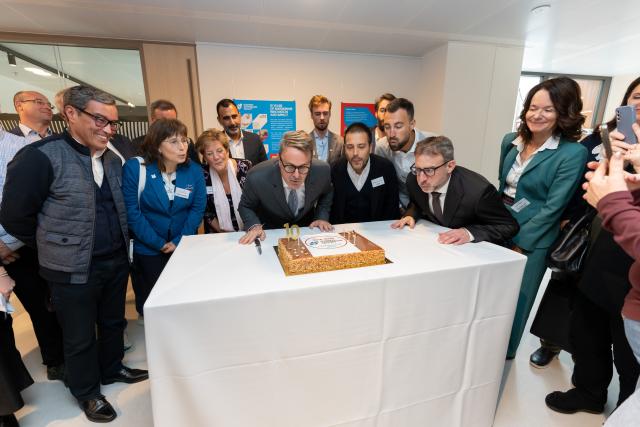
Multi-country 22.10.2026
The Business Partnership Facility celebrates 10 years of partnership for development
The Business Partnership Facility celebrates 10 years of partnership for development -
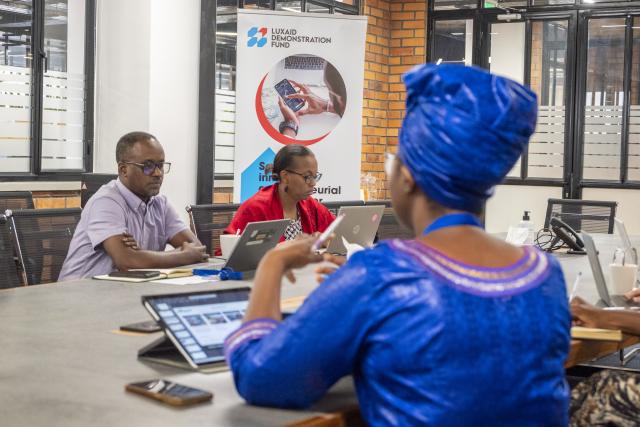
Rwanda 20.10.2026
Innovative agri-food enterprises selected for the third edition of the LuxAid Demonstration Fund in Rwanda
Innovative agri-food enterprises selected for the third edition of the LuxAid Demonstration Fund in Rwanda

